What To Ask Your Coin Dealer Before Buying or Selling Your Next Piece
Post by: Champion Rarities
in Coin Dealer
What To Ask Your Coin Dealer Before Buying or Selling Your Next Piece
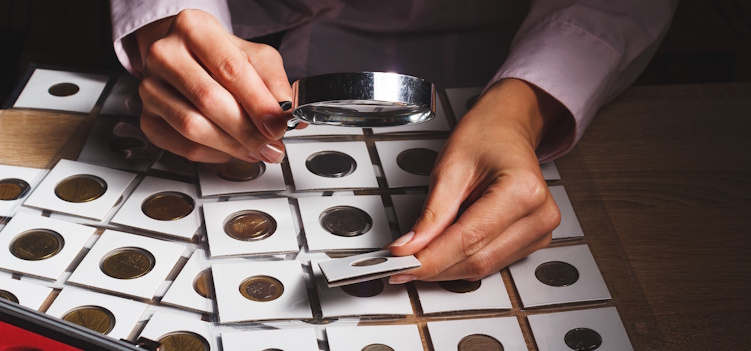
Questions To Keep in Mind
Buying or selling coins can be exciting, but it can also feel intimidating if you’re not sure what questions to ask. Pricing changes, coin conditions vary, and even two coins that look similar can have very different values depending on rarity, certification, and demand.
The good news is you don’t have to be an expert to make smart choices. A reputable coin dealer should be willing to explain the process clearly and help you understand what you’re buying or selling. Use the checklist below before your next purchase or trade to make the experience smoother and less intimidating.
A Simple Checklist for Smarter Coin Decisions
Coins sit in a unique space. Some are valued mostly for their metal content, while others are valued for rarity, condition, and collector demand. Without a few basic questions, it’s easy to misunderstand what you’re paying for or what your coin is actually worth.
A solid dealer won’t rush you. They’ll help you compare options, understand pricing, and choose what makes sense for your goals, whether you’re buying a single piece or building a long-term collection.
Questions To Ask Before You Buy
Is This Coin Bullion or Numismatic?
This is one of the first questions worth asking. A bullion dealer typically focuses on coins and bars priced mainly by metal content. Numismatic coins, on the other hand, can carry collector value based on rarity and condition.
Knowing which category you’re buying helps you understand how pricing works and what drives future value.
Is the Coin Certified, and Who Graded It?
Certification matters because it adds clarity around authenticity and condition. Ask whether the coin has been graded by a recognized third-party service such as NGC or PCGS.
If a coin is not certified, that doesn’t always mean it’s a bad purchase, but it does mean you’ll want more explanation about its condition and how it’s being priced.
What Premium Am I Paying and Why?
Premium is the amount you pay above the spot price of the metal. Premiums can vary depending on the product, demand, and type of coin.
Ask the dealer to explain what factors are driving the premium. A good explanation should be simple and direct, not vague or confusing.
How Easy Is This Coin To Resell Later?
Some coins are easier to sell quickly because they’re widely recognized. This is where coins like Silver Eagle coins and Gold Eagle coins often come up in conversations, because many buyers know them and look for them.
Liquidity matters even if you’re buying long-term. It’s helpful to know how the market tends to treat the piece you’re considering.
What Is the Return Policy?
Before buying, ask what the return window is and whether there are any conditions. Even experienced collectors like having a clear return policy, especially when buying online.
How Will the Coin Be Shipped and Protected?
Shipping matters more than many buyers realize. Ask if shipments are insured and how coins are packaged. A reputable dealer will treat shipping and handling seriously, especially for higher-value pieces.
Questions To Ask Before You Sell
How Is My Coin Being Evaluated?
When selling, you want to know how the dealer is arriving at a number. Ask what factors they’re considering, like:
- Authenticity.
- Condition.
- Certification.
- Current market demand.
- Metal content.
Even if you don’t know the details yet, the explanation should make sense when it’s laid out clearly.
What Factors Affect the Offer Price?
Coins don’t have one fixed value. The offer price can depend on the spot price of gold or silver, the coin’s condition, and how much demand there is at the time.
If your coin is more collectible, demand may play a bigger role than metal content alone.
Can You Explain Melt Value and Market Value?
This is one of the most important questions to ask when selling.
Melt value refers to the value of the metal itself based on weight and spot price. Market value can be higher than melt value when the coin has collector demand, strong condition, or other premium factors.
Understanding the difference helps you avoid confusion when comparing offers.
What Should I Bring With the Coin?
If you have original packaging, receipts, or certification slabs, bring them. Even if it doesn’t change the value, it can help the evaluation process go more smoothly.
Can Someone Walk Me Through My Options?
If you’re new, it’s completely normal to want guidance. A good dealer will take the time to explain choices, answer questions, and help you compare products without pressure.
A quick checklist for first-time buyers and sellers:
- Ask whether the coin is bullion or collectible.
- Check if it’s certified by a recognized grading service.
- Understand premiums before you buy.
- Ask about resale and liquidity.
- Review return policies.
- Confirm insured shipping and safe packaging.
Whether you’re shopping for gold bullion, adding collectible coins to your collection, or looking for widely recognized options like Silver Eagle coins or Gold Eagle coins, the best outcomes usually come from working with a dealer who prioritizes education and transparency.
A Better Coin Experience Starts With Better Questions
You don’t need years of collecting experience to make smart decisions. Asking the right questions is often the difference between a purchase you second-guess and one you feel good about long-term.
The next time you work with a coin dealer, bring this checklist with you. It’s a simple way to protect your budget, your goals, and the value of your collection.