Inherited a Coin Collection? How a Coin Dealer Helps You Understand What You Have
Post by: Champion Rarities
in Coin Dealer
Inherited a Coin Collection? How a Coin Dealer Helps You Understand What You Have
What A Rare Coin Dealer Looks for in an Inherited Coin Collection
An inherited coin collection often arrives in coffee cans and old albums, with little record of where the coins came from or what anyone paid for them. Before you search for prices or judge the coins by how old they look, it helps to know what a coin dealer examines when a family collection comes in.
Four categories often turn up in family collections: Morgan silver dollars, Kennedy half dollars, pre-1965 90% silver coins, and older American Eagles. We’ll discuss these coins for the remainder of this step-by-step guide, as examples of what a coin dealer might analyze and how you can best prepare your collection to be inspected.
1. Leave the Coins as You Found Them
Do not clean, polish, or dip any coin. Improper cleaning can permanently alter a coin’s original surfaces, and an experienced grader can spot the fine hairlines and altered luster it leaves behind. Both NGC and PCGS assign a detailed designation to improperly or harshly cleaned coins instead of a standard numeric grade, and rare coin dealers usually pay less for them if they have been cleaned beforehand.
Keep each coin in the holder, album page, or roll it came in, and hold loose coins by the edges. Save any receipts and old grading holders as well, because that paperwork can confirm a coin’s provenance.
2. Analyze Your Coins’ Dates, Mint Marks, and Condition
Morgan silver dollars are a great example for this step. Morgan Silver Dollars were struck from 1878 to 1904 and again in 1921. The year and mint mark matter a great deal within that run. The mint mark is a small letter on the reverse, below the wreath and above the word DOLLAR. It shows where the coin was struck: CC for Carson City, O for New Orleans, S for San Francisco, D for Denver (1921 only), or no letter for Philadelphia. Some date and mint combinations were produced, or survive, in far smaller numbers than others, so two Morgan dollars that look identical to an untrained eye can differ widely in value. This is exactly the difference a rare coin dealer can help spot in your inherited collection.
Condition carries as much weight as the date. Common-date Morgans are plentiful, so a worn, circulated example is usually valued close to its silver content. An uncirculated coin with strong luster and sharp detail can carry a numismatic value much greater than the metal alone. A professional gold coin dealer’s evaluation starts with the date and mint mark, then moves to wear.
3. Check for Metal Changes Mid-Series on Your Coins
Kennedy half dollars complicate quick assumptions about coin series because their metal content changed twice. Coins dated 1964 are 90% silver. Coins dated 1965 through 1970 are 40% silver-clad, and circulation coins from 1971 onward contain no silver. The U.S. Mint has also struck Kennedy half dollars in silver for collector proof sets, so a later-dated coin that came out of a proof set deserves a second look.
A Kennedy half's date does not settle its metal content on its own. An experienced coin dealer will check the metal first, then help you determine whether the coin’s date or condition adds additional value.
4. Know the Difference Between Bullion Value and Numismatic Value
Dimes, quarters, and half dollars struck for circulation through 1964 are 90% silver, so each one has a baseline value tied to the current silver price, also called bullion value. Dealers often call these coins "junk silver" because most of them trade on the worth of the metal content alone. Deciding whether a coin is worth more than its silver takes an examination of its date, mint mark, condition, and scarcity. This is one area where a professional gold coin dealer’s evaluation helps most.
Most circulated pre-1965 coins trade close to their metal value. A smaller number, usually coins in exceptional condition or from low-mintage dates, carry a numismatic premium, meaning the coin could be worth far more than its metal content alone based on its condition, mintage, or other exceptional characteristic. An inherited collection often contains coins with bullion value and high numismatic value, and a coin dealer will examine each coin instead of automatically pricing the whole lot as bullion.
5. Inspect Your Coins’ Certification and Grade
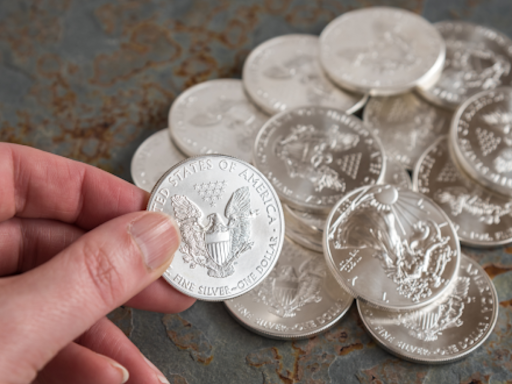
The U.S. Mint has issued American Eagle bullion coins in gold and silver since 1986, in platinum since 1997, and in palladium since 2017. These coins are more standardized than older circulated coinage, but grade and certification still matter on these older American Eagle coins. A piece graded by an independent, third-party coin grading and certification company like NGC or PCGS sits in a sealed holder with a third-party grade on the 70-point scale, and a certified coin can sell for a much different price than an otherwise identical but uncertified coin.
The Mint also sold proof and burnished versions of some American Eagles directly to collectors. They can resemble standard bullion coins at a glance, so it helps to have an experienced rare coin dealer confirm the version first. For background on a specific date or type, PCGS CoinFacts lists mintage, population, and grading data.
6. Build a Written Inventory Before a Coin Dealer Values the Collection
Creating a written inventory before you visit a rare coin dealer for price valuation will accelerate the process. Group coins by type, with Morgan dollars in one list, Kennedy halves in another, pre-1965 silver in a third, and American Eagles in a fourth. Record each coin's date, mint mark, and any grading holder details, and photograph the front and back of the coins that look unusual. Work from the list and the photos so the coins themselves stay untouched in their holders.
This inventory will help even if you decide to use a coin dealer website for pricing, because you’ll only look up the coins you own. It also gives any coin dealer or rare coin dealer a shared starting point, so all pricing opinions you collect reference the same information and can be easily cross-referenced.
7. Use Coin Dealer Websites With Caution
Searching coin dealer websites for one of your inherited coins and reading its price feels like a quick answer, but the number rarely confirms its value. A listing shows one seller's asking price for one specific coin. Two coins can share a date, denomination, and general description while differing in strike quality, surface preservation, toning, and eye appeal, and any of those differences can change value substantially. An asking price is also different from a sale price, so a listing works as a rough reference point at best.
A rare coin dealer adds what a search result cannot. The dealer examines the actual coin, in hand or through detailed photos, and analyzes many factors at the same time, such as date, mint mark, condition, metal content, grade, certification, scarcity, and current collector demand, instead of relying solely on date and denomination.
Experienced Coin Dealers Make Comprehensive Estimates, Not One-Off Guesses
No single factor decides the value in a professional coin dealer evaluation. A rare date in poor condition can be worth less than a common date in exceptional condition. Collector demand also shifts over time, so a coin that drew strong interest several years ago may sell differently now.
Third-party grading gives buyers and sellers a shared reference point for condition. Reputable dealers such as Champion Rarities, which sells mostly NGC- and PCGS-certified coins, rely on that grading when they describe what a coin is.
Your inherited coins can be kept to pass on to future generations, sold at appropriate market prices, or consolidated into a rare numismatic collection. We believe an experienced coin dealer like Champion Rarities gives you the best starting point as you begin this decision process. Value your coins in the best way now, so they can be secure no matter their future.
Call us at (866) 755-7273 or visit our site to discuss how we can help you value your inherited coins.